Disclaimer: This article is strictly informational and does not provide commercial, financial, or operational advice.
Introduction
Workforce scheduling platforms are built on multi-layered system architectures designed to process structured data, apply rule-based logic, and produce coordinated scheduling outputs. These systems are not single-function tools but interconnected environments where data ingestion, processing, and output generation occur in continuous cycles.
In discussions about workforce coordination platforms such as deputy, system architecture is often used as a reference point for understanding how scheduling logic is structured and executed.
This article examines the architectural layers commonly found in workforce scheduling systems, focusing on structural design rather than any specific implementation.
High-Level Architecture Overview
Most workforce scheduling platforms follow a layered architecture model. Each layer has a distinct responsibility and communicates with adjacent layers through structured interfaces.
A typical architecture includes:
- Data layer
- Logic (processing) layer
- Application layer
- Presentation layer
These layers work together to ensure that scheduling data flows consistently from input to output.
Data Layer Structure
The data layer is responsible for storing and organizing all scheduling-related information. It typically includes structured datasets such as:
- Employee records
- Shift definitions
- Availability schedules
- Role and skill mappings
This layer is designed to ensure data integrity and consistency across all system operations.
Data normalization is often applied to reduce redundancy and maintain a single source of truth for each entity.
Processing and Logic Layer
The processing layer is where scheduling logic is executed. This layer interprets raw data and applies system rules to generate structured outputs.
Key functions include:
Rule Evaluation
The system evaluates constraints such as availability, role compatibility, and shift coverage requirements.
Relationship Processing
Dependencies between employees, shifts, and roles are analyzed to ensure valid assignments.
Scheduling Computation
The system generates scheduling outputs based on structured logic and predefined rules.
In systems conceptually similar to deputy, this layer represents the core engine responsible for transforming data into actionable schedules.
Application Layer Functions
The application layer acts as an intermediary between system logic and user interaction. It manages how scheduling data is accessed, modified, and updated.
Functions typically include:
- Schedule generation requests
- Data update handling
- Conflict resolution triggers
- Rule configuration interfaces
This layer ensures that system logic is executed in response to user or system-driven events.
Presentation Layer and Data Visualization
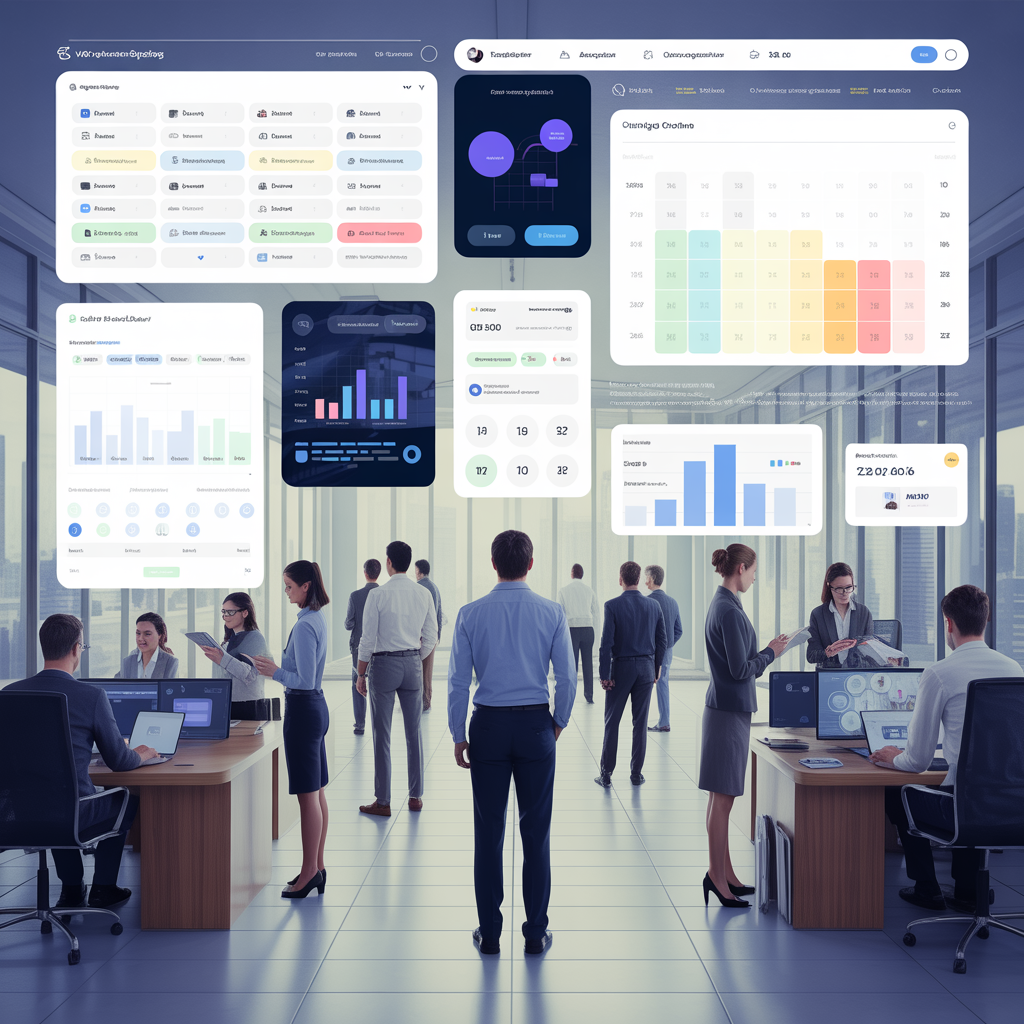
The presentation layer is responsible for displaying scheduling information in a structured and readable format.
Common representations include:
- Calendar-based views
- Shift timelines
- Role-based scheduling grids
- Availability matrices
The goal of this layer is to translate complex scheduling data into interpretable formats without altering underlying logic.
Communication Between Layers
Workforce scheduling systems rely on structured communication between architectural layers. Data flows in both directions:
- Downward flow: user input → processing → data storage
- Upward flow: processed output → visualization
This bidirectional flow ensures that updates are reflected across the system in real time or near real time.
Scalability in System Architecture
Scalability is a key consideration in workforce scheduling platforms. As system usage grows, architecture must support increased data volume and processing complexity.
Common scalability strategies include:
- Distributed data storage
- Modular processing components
- Cached scheduling results
- Incremental computation models
These strategies help maintain performance consistency under heavy operational load.
Reliability and Consistency Mechanisms
Scheduling systems require high consistency to avoid conflicts and errors. Architectural reliability is maintained through:
- Transactional data updates
- Validation checkpoints
- Redundant data verification
- Rule enforcement consistency layers
These mechanisms ensure that scheduling outputs remain stable even during frequent updates.
Role of Modular Design
Modular architecture allows scheduling systems to separate functionality into independent components. This improves maintainability and flexibility.
Modules may include:
- Employee management module
- Shift scheduling module
- Rules engine module
- Reporting module
Each module operates independently while contributing to the overall system behavior.
Integration with External Systems
Workforce scheduling platforms often integrate with external systems such as communication tools, reporting systems, or operational dashboards.
Integration is typically handled through structured APIs or data exchange protocols. This allows scheduling data to be shared without disrupting internal logic.
Platforms like deputy are frequently referenced in conceptual discussions about how scheduling systems interact with broader operational ecosystems.
Limitations of Current Architectures
Despite their structured design, workforce scheduling architectures face several limitations:
- Complexity in maintaining large-scale modular systems
- Dependency on accurate and consistent data inputs
- Challenges in real-time synchronization across distributed components
- Difficulty adapting to highly unstructured operational scenarios
These limitations highlight the importance of careful architectural design and system governance.
Conclusion
Workforce scheduling platforms are built on layered architectures that separate data storage, processing logic, application handling, and presentation. This structure allows systems to maintain consistency, scalability, and modularity across complex scheduling environments.
Understanding these architectural layers provides insight into how scheduling platforms process information and maintain operational stability across dynamic conditions.
Disclaimer: This article is strictly informational and does not provide commercial, financial, or operational advice.
